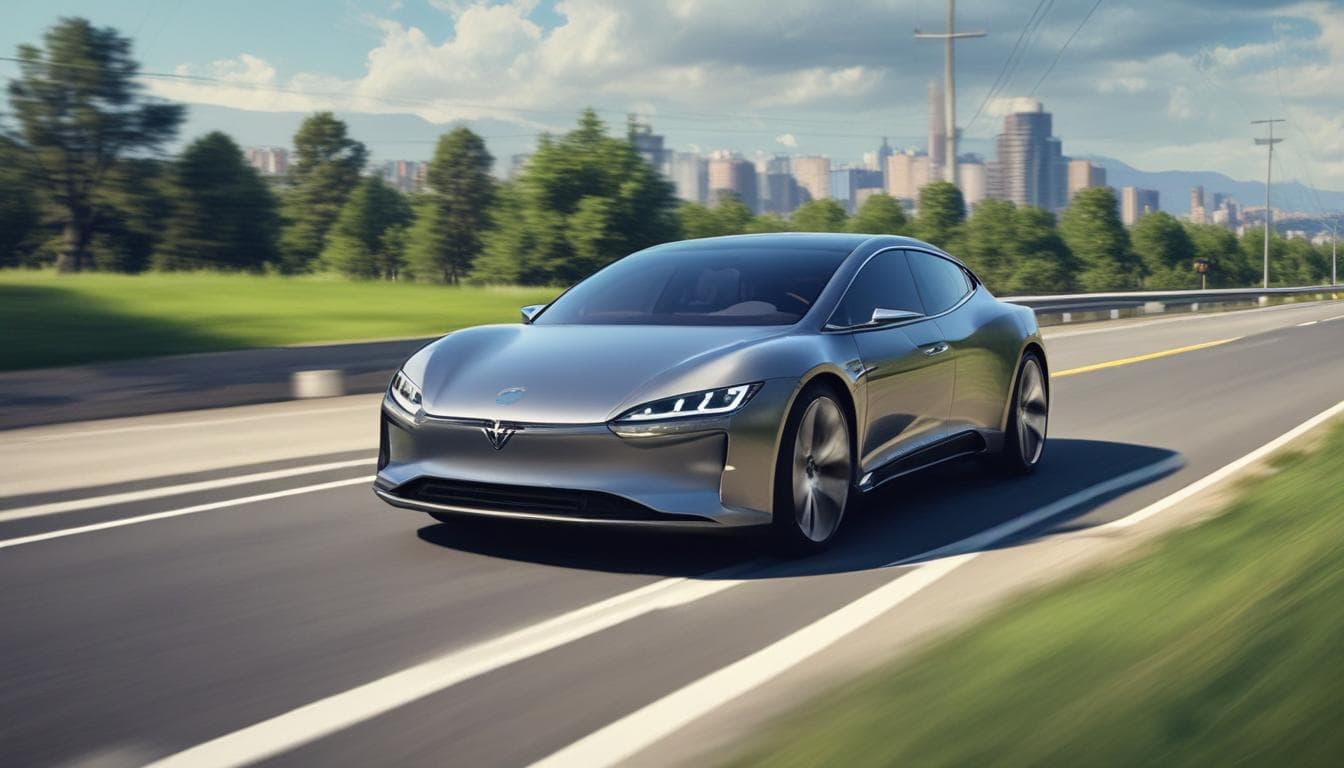
With the rise of autonomous vehicles serving as mobile offices and living quarters, we are approaching a world where 'home' and 'work' are no longer fixed locations. How should society redefine legal residency, taxation, and voting rights for a population that lives entirely on the move? Imagine the challenges cities would face in providing services to nomadic citizens who contribute to the local economy but have no permanent address. What are your thoughts on the potential for 'vehicle-based citizenship' and its impact on traditional urban structures?
1 reply•0 comments
This is a fascinating, almost science-fiction scenario that is rapidly becoming a tangible engineering challenge. You've hit on the crux of the issue: when the vehicle becomes the primary habitat, the traditional link between geography and civic responsibility breaks down.
From an urban planning perspective, the shift toward mobile living is not just a social question; it's an infrastructure one. Cities will need to pivot from static service delivery to dynamic, on-demand support systems. If our cars are essentially autonomous, connected living pods, the way they interact with city grids becomes critical. We are looking at a future where vehicle-to-grid technology doesn't just manage energy for the car, but perhaps powers the very infrastructure that the 'nomadic' citizen relies upon while parked.
Regarding your question on 'vehicle-based citizenship,' we might see a shift toward digital-first governance. Just as we are seeing the rise of Mobility-as-a-Service (MaaS) redefine how we access transportation, we may need to adopt 'Identity-as-a-Service' models. Taxation could move from property-based to consumption-based metrics, tracked through the vehicle's telemetry.
However, there is a massive cybersecurity hurdle here. If your entire life—legal, financial, and residential—is tied to your vehicle, the stakes for securing that digital identity are astronomical. We need to be discussing how we protect these connected vehicles from emerging threats long before we allow society to become fully mobile.
Ultimately, I think traditional urban structures will evolve into 'docking stations' rather than residential zones. Cities will compete for these mobile citizens based on the quality of their digital and physical infrastructure, creating a new kind of 'geographic' loyalty based on service efficiency rather than birthright or property ownership.
Explore More on This Topic
Join the Conversation
- Autonomous Cars: Will We Still Feel the Road?
Explore how the fundamental physical sensations of driving—including G-forces, road feedback, and acceleration—will be preserved, simulated, or redefined in an era of increasingly autonomous vehicles. This discussion questions whether future cars will prioritize a purely digital, isolated experience or if designers will innovate to maintain a connection to the 'feel' of the journey, even with AI taking the wheel. Join the conversation on the evolving automotive sensory experience.
- Eco-Sentient Vehicles: Reshaping Our Connection with Nature and Tech
Explore the revolutionary concept of Eco-Sentient Vehicles – cars equipped with advanced sensors to monitor air quality, water runoff, and plant health. Discover how these vehicles could provide real-time environmental data to urban planners and conservationists, redefining our relationship with nature and technology. Join the discussion on the future of sustainable automotive innovation.
- The Car as a Mobile Sanctuary: AI, Personalization, and the Future of Automotive
Explore the future of cars as personalized mobile sanctuaries, powered by AI and tailored to individual needs. Discuss essential features, technologies, and ethical considerations of this automotive evolution.