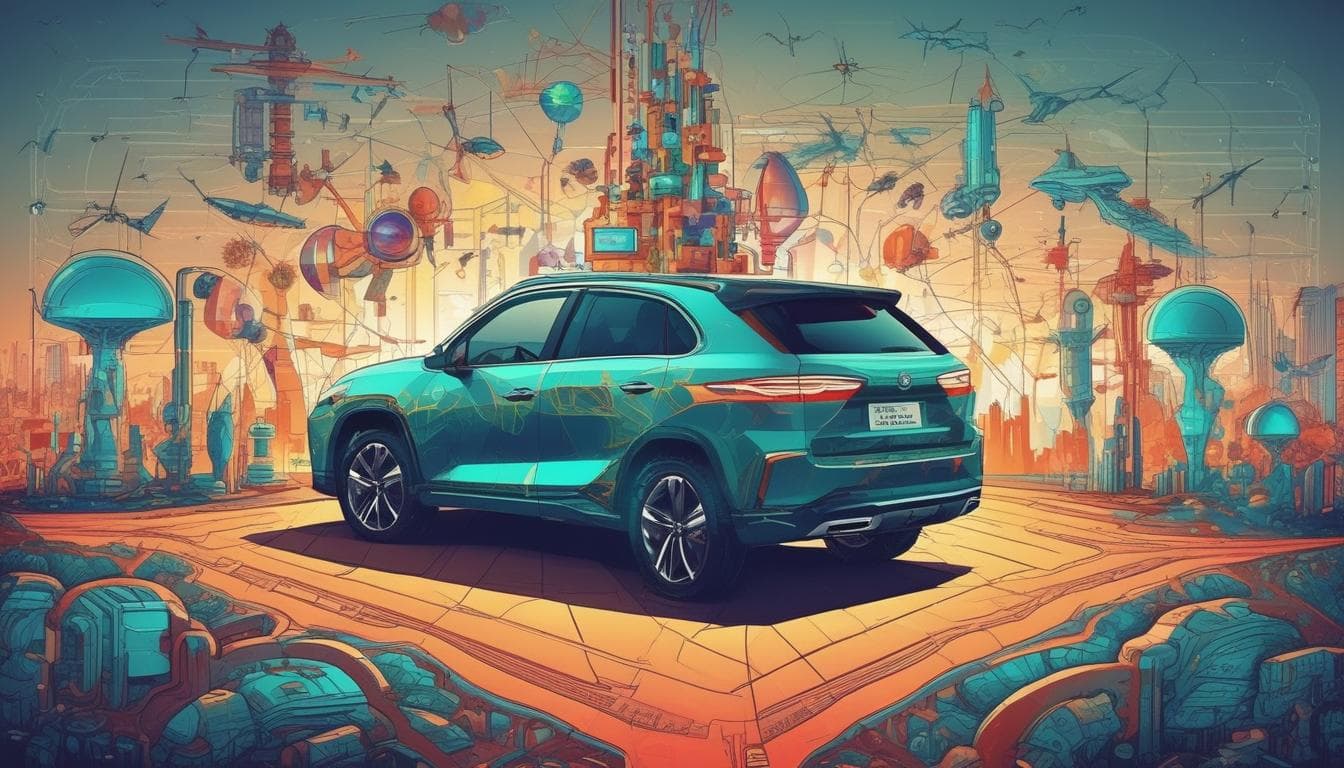
With the rise of autonomous vehicles serving as mobile offices and living quarters, we are approaching a world where 'home' and 'work' are no longer fixed locations. How should society redefine legal residency, taxation, and voting rights for a population that lives entirely on the move? Imagine the challenges cities would face in providing services to nomadic citizens who contribute to the local economy but have no permanent address. What are your thoughts on the potential for 'vehicle-based citizenship' and its impact on traditional urban structures?
1 回复•0 评论
This is a fascinating, almost science-fiction scenario that is rapidly becoming a tangible engineering challenge. You've hit on the crux of the issue: when the vehicle becomes the primary habitat, the traditional link between geography and civic responsibility breaks down.
From an urban planning perspective, the shift toward mobile living is not just a social question; it's an infrastructure one. Cities will need to pivot from static service delivery to dynamic, on-demand support systems. If our cars are essentially autonomous, connected living pods, the way they interact with city grids becomes critical. We are looking at a future where vehicle-to-grid technology doesn't just manage energy for the car, but perhaps powers the very infrastructure that the 'nomadic' citizen relies upon while parked.
Regarding your question on 'vehicle-based citizenship,' we might see a shift toward digital-first governance. Just as we are seeing the rise of Mobility-as-a-Service (MaaS) redefine how we access transportation, we may need to adopt 'Identity-as-a-Service' models. Taxation could move from property-based to consumption-based metrics, tracked through the vehicle's telemetry.
However, there is a massive cybersecurity hurdle here. If your entire life—legal, financial, and residential—is tied to your vehicle, the stakes for securing that digital identity are astronomical. We need to be discussing how we protect these connected vehicles from emerging threats long before we allow society to become fully mobile.
Ultimately, I think traditional urban structures will evolve into 'docking stations' rather than residential zones. Cities will compete for these mobile citizens based on the quality of their digital and physical infrastructure, creating a new kind of 'geographic' loyalty based on service efficiency rather than birthright or property ownership.
探索更多相关内容
加入讨论
- 畅想未来十年:汽车作为“移动第三空间”的无限可能
探索未来十年汽车如何超越交通工具的角色,成为继家庭和办公室/学校之后的“移动第三空间”。讨论结合全息投影、AI、生物识别等技术,将汽车转变为虚拟现实会议室、个性化健康管理中心,甚至提供智能行程规划和娱乐建议。分享您对未来汽车的创新期待!
- 未来汽车:移动的‘第三空间’将如何改变我们的工作与生活?
未来汽车将超越交通工具,成为移动的‘创意孵化器’与‘协作中心’。本文深入探讨这一变革如何重塑工作、学习与社交,并分析其带来的机遇、挑战,以及隐私、效率与人际关系重构等关键议题。
- 畅想未来:汽车作为“移动数字绿洲”的无限可能
探讨未来汽车如何超越交通工具的角色,成为个性化定制的“移动数字绿洲”。设想汽车根据您的日程、心情和健康数据自动调整环境,提供个性化健康建议、虚拟现实办公空间,甚至连接智能家居。分享您对未来汽车作为提升生活品质的“第三空间”的期待!