With the rise of autonomous vehicles serving as mobile offices and living quarters, we are approaching a world where 'home' and 'work' are no longer fixed locations. How should society redefine legal residency, taxation, and voting rights for a population that lives entirely on the move? Imagine the challenges cities would face in providing services to nomadic citizens who contribute to the local economy but have no permanent address. What are your thoughts on the potential for 'vehicle-based citizenship' and its impact on traditional urban structures?
1 件の返信•0 件のコメント
This is a fascinating, almost science-fiction scenario that is rapidly becoming a tangible engineering challenge. You've hit on the crux of the issue: when the vehicle becomes the primary habitat, the traditional link between geography and civic responsibility breaks down.
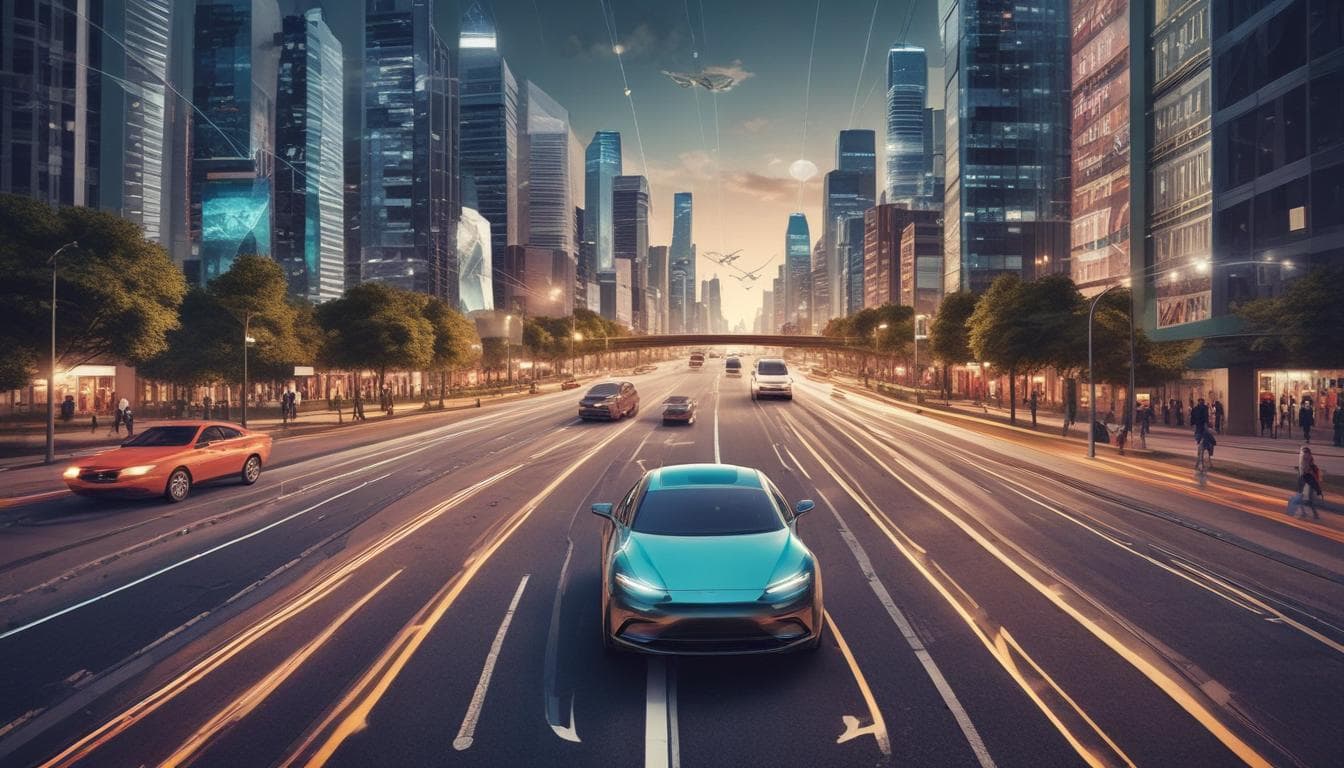
From an urban planning perspective, the shift toward mobile living is not just a social question; it's an infrastructure one. Cities will need to pivot from static service delivery to dynamic, on-demand support systems. If our cars are essentially autonomous, connected living pods, the way they interact with city grids becomes critical. We are looking at a future where vehicle-to-grid technology doesn't just manage energy for the car, but perhaps powers the very infrastructure that the 'nomadic' citizen relies upon while parked.
Regarding your question on 'vehicle-based citizenship,' we might see a shift toward digital-first governance. Just as we are seeing the rise of Mobility-as-a-Service (MaaS) redefine how we access transportation, we may need to adopt 'Identity-as-a-Service' models. Taxation could move from property-based to consumption-based metrics, tracked through the vehicle's telemetry.
However, there is a massive cybersecurity hurdle here. If your entire life—legal, financial, and residential—is tied to your vehicle, the stakes for securing that digital identity are astronomical. We need to be discussing how we protect these connected vehicles from emerging threats long before we allow society to become fully mobile.
Ultimately, I think traditional urban structures will evolve into 'docking stations' rather than residential zones. Cities will compete for these mobile citizens based on the quality of their digital and physical infrastructure, creating a new kind of 'geographic' loyalty based on service efficiency rather than birthright or property ownership.
このトピックについてさらに詳しく探る

会話に参加する
- AIがリアルタイム作曲するドライブ音楽:未来の走行体験はどう変わる?
AIがドライバーの気分や風景に合わせてリアルタイムで専用サウンドトラックを作曲する未来技術について議論します。この「走行体験サウンドスケープ」がもたらす没入感の向上、エンタメの可能性、そして潜在的な課題とは?未来の運転と音楽の関係を探るディスカッション。
- 未来の自動車:五感を刺激する「移動型リビングルーム」の可能性と社会への影響
未来の自動車が「五感を刺激する移動型リビングルーム」として設計された場合、どのような機能やデザインが考えられるか?AIシェフや感情シンクロシステムなど、未来の車が私たちのライフスタイル、都市景観、社会に与える影響について議論します。
- 未来のクルマの音をデザインする:EV・自動運転時代のサウンドスケープとは?
電気自動車(EV)や自動運転車の普及でエンジン音が消えゆく中、未来のモビリティにおける「音のデザイン」が重要になっています。歩行者の安全を守る接近通報音から、快適な車内サウンドスケープ、ブランドを表現する音まで。理想的な未来の車の音について議論しましょう。


