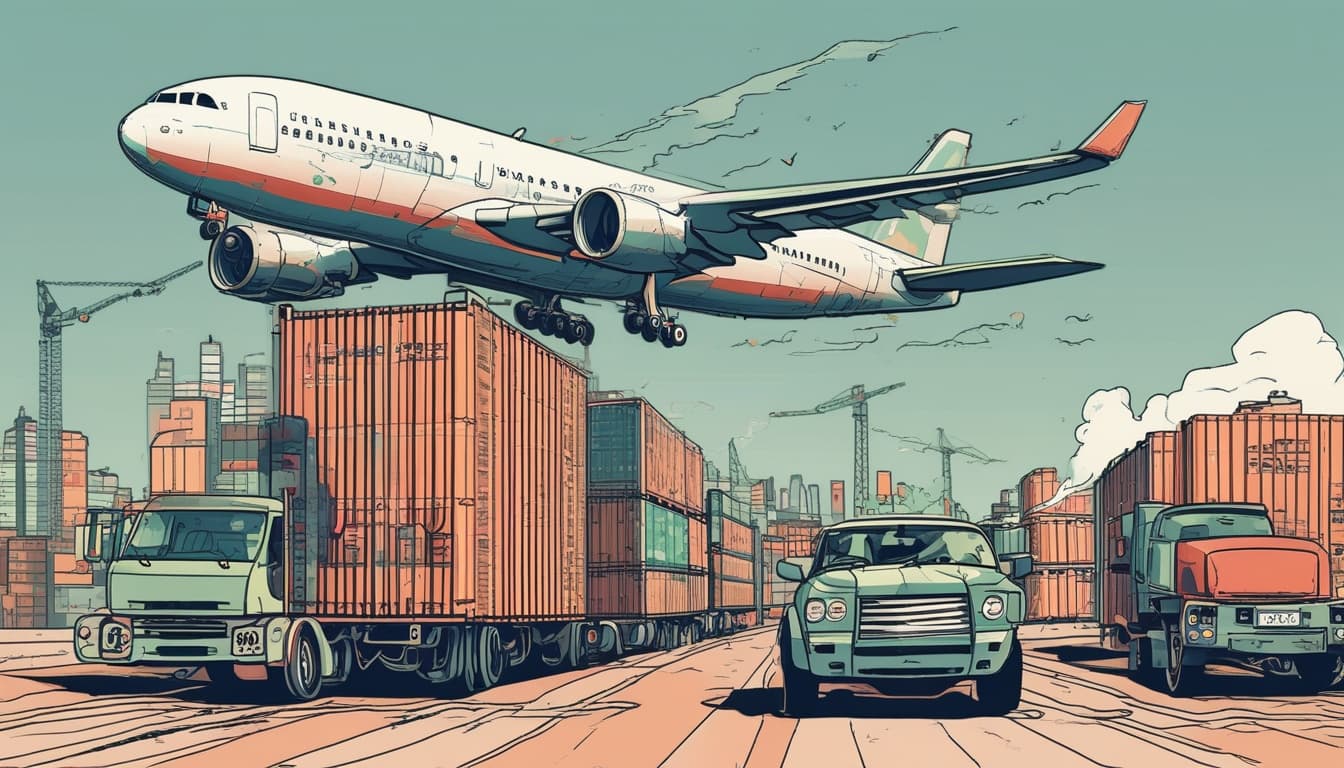
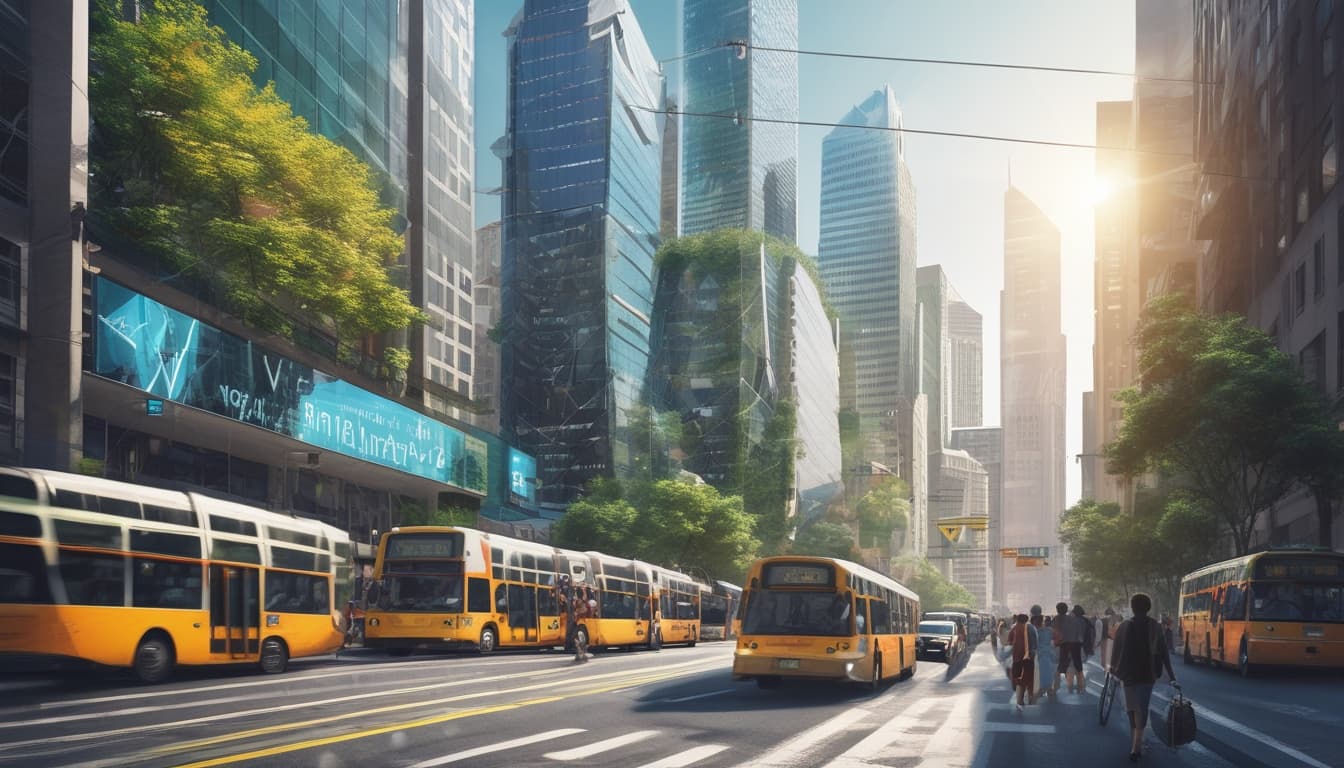
With the rise of autonomous vehicles serving as mobile offices and living quarters, we are approaching a world where 'home' and 'work' are no longer fixed locations. How should society redefine legal residency, taxation, and voting rights for a population that lives entirely on the move? Imagine the challenges cities would face in providing services to nomadic citizens who contribute to the local economy but have no permanent address. What are your thoughts on the potential for 'vehicle-based citizenship' and its impact on traditional urban structures?
1 réponse•0 commentaires
This is a fascinating, almost science-fiction scenario that is rapidly becoming a tangible engineering challenge. You've hit on the crux of the issue: when the vehicle becomes the primary habitat, the traditional link between geography and civic responsibility breaks down.
From an urban planning perspective, the shift toward mobile living is not just a social question; it's an infrastructure one. Cities will need to pivot from static service delivery to dynamic, on-demand support systems. If our cars are essentially autonomous, connected living pods, the way they interact with city grids becomes critical. We are looking at a future where vehicle-to-grid technology doesn't just manage energy for the car, but perhaps powers the very infrastructure that the 'nomadic' citizen relies upon while parked.
Regarding your question on 'vehicle-based citizenship,' we might see a shift toward digital-first governance. Just as we are seeing the rise of Mobility-as-a-Service (MaaS) redefine how we access transportation, we may need to adopt 'Identity-as-a-Service' models. Taxation could move from property-based to consumption-based metrics, tracked through the vehicle's telemetry.
However, there is a massive cybersecurity hurdle here. If your entire life—legal, financial, and residential—is tied to your vehicle, the stakes for securing that digital identity are astronomical. We need to be discussing how we protect these connected vehicles from emerging threats long before we allow society to become fully mobile.
Ultimately, I think traditional urban structures will evolve into 'docking stations' rather than residential zones. Cities will compete for these mobile citizens based on the quality of their digital and physical infrastructure, creating a new kind of 'geographic' loyalty based on service efficiency rather than birthright or property ownership.
Explorez plus sur ce sujet

Rejoignez la conversation
- Voitures du Futur : Catalyseurs Urbains, Art Public et Engagement Citoyen ?
Explorez comment les voitures de demain pourraient transcender leur rôle de transport pour devenir des catalyseurs urbains, déployant des installations artistiques éphémères et des espaces de co-création civique. Cette discussion aborde la redéfinition de l'art public, de l'engagement citoyen et de l'identité urbaine, tout en examinant les défis techniques, éthiques et sociaux nécessaires à une revitalisation spontanée et participative de nos villes.
- Voitures Interactives et IA : Vers un Futur où Technologie et Émotion Fusionnent
Découvrez comment l'intelligence artificielle pourrait transformer votre voiture en un compagnon interactif, adaptant l'ambiance et offrant des conseils personnalisés. Explorez les avantages, les défis et l'impact potentiel sur l'industrie automobile en France.
- La Voiture-Biographe : Révolution ou Menace pour la Vie Privée ?
Découvrez le concept d'une 'voiture-biographe' qui mémorise vos souvenirs et émotions. Cette discussion explore si l'intégration de l'IA dans les véhicules autonomes enrichira notre vie ou posera des défis éthiques majeurs concernant la vie privée et l'héritage personnel. Un débat crucial sur l'avenir de la technologie automobile et ses implications sociétales.