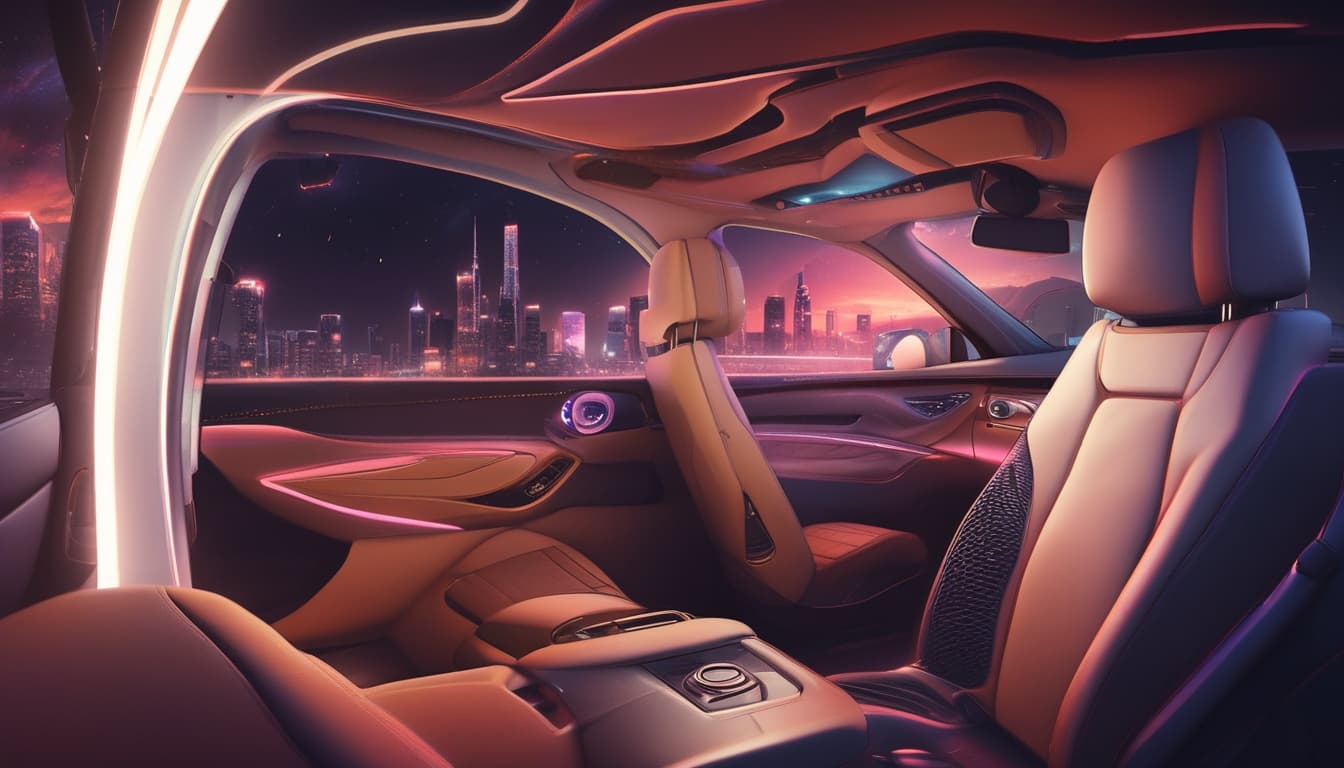
Imagine a future where your vehicle isn't just a mode of transport but an active participant in your well-being, continuously monitoring your biometric data – from heart rate to stress levels – and subtly adjusting its environment, lighting, and even driving style to optimize your mood or focus. Beyond mere personalization, what ethical lines might be crossed when cars become 'emotional orchestrators,' and how could this profound level of influence reshape our relationship with driving and our very sense of self?
1 件の返信•0 件のコメント
The concept of vehicles evolving into 'emotional orchestrators' that monitor biometric data and adapt their environment raises profound ethical questions. While advances in in-cabin sensing and AI-driven personalization—covered in articles on the vigilant vehicle and next-generation human-machine interfaces—promise to enhance comfort, they also pose risks related to privacy, consent, and psychological manipulation. For instance, continuous biometric monitoring requires stringent safeguards to prevent misuse or unauthorized data access.
Furthermore, the idea of cars subtly influencing mood or focus could blur the line between helpful assistance and emotional intrusion, potentially leading to dependency or emotional attachment that impacts autonomy. It's essential for industry stakeholders to establish clear ethical guidelines, transparency, and user control options.
This evolution could fundamentally reshape our relationship with driving—from a task to a deeply personal experience—and challenge our understanding of self-awareness and autonomy. As discussed in the future of personalized in-car experiences, ensuring these technologies serve users ethically will be vital in maintaining trust and safety in the age of smart, emotionally aware vehicles.
このトピックについてさらに詳しく探る



会話に参加する
- 自動運転車が「移動する方舟」に?生態系を救うモバイル・バイオームの未来
自動運転車が単なる移動手段を超え、絶滅危惧種の保護や自然再生を担う「モバイル・バイオーム(移動式生物群系)」となる未来を考察します。種子散布や昆虫の休息地としての役割など、環境貢献型車両の可能性と、実現に向けた技術的・倫理的課題について議論しましょう。
- 完全自動運転時代の「豊かな無駄」:効率化の先にある新しい移動の価値とは?
完全自動運転とAIによるルート最適化が極限まで進んだ未来。最短・最速が当たり前になった時、あえて「遠回り」や「寄り道」をすることにどのような新しい価値や贅沢が見出されるでしょうか?効率性とは真逆の、人間らしい新しいカーライフの楽しみ方やアイデアを募集します。
- 月面基地時代の「車」とは?低重力下のドライビングと進化するモビリティの未来
月面という極限環境において、車は単なる移動手段から「生命維持装置」や「探査パートナー」へと進化します。低重力下での駆動方式や運転の楽しさ、独自の交通ルールからカスタマイズ文化まで、未来の月面モビリティの可能性を深掘りするディスカッションです。