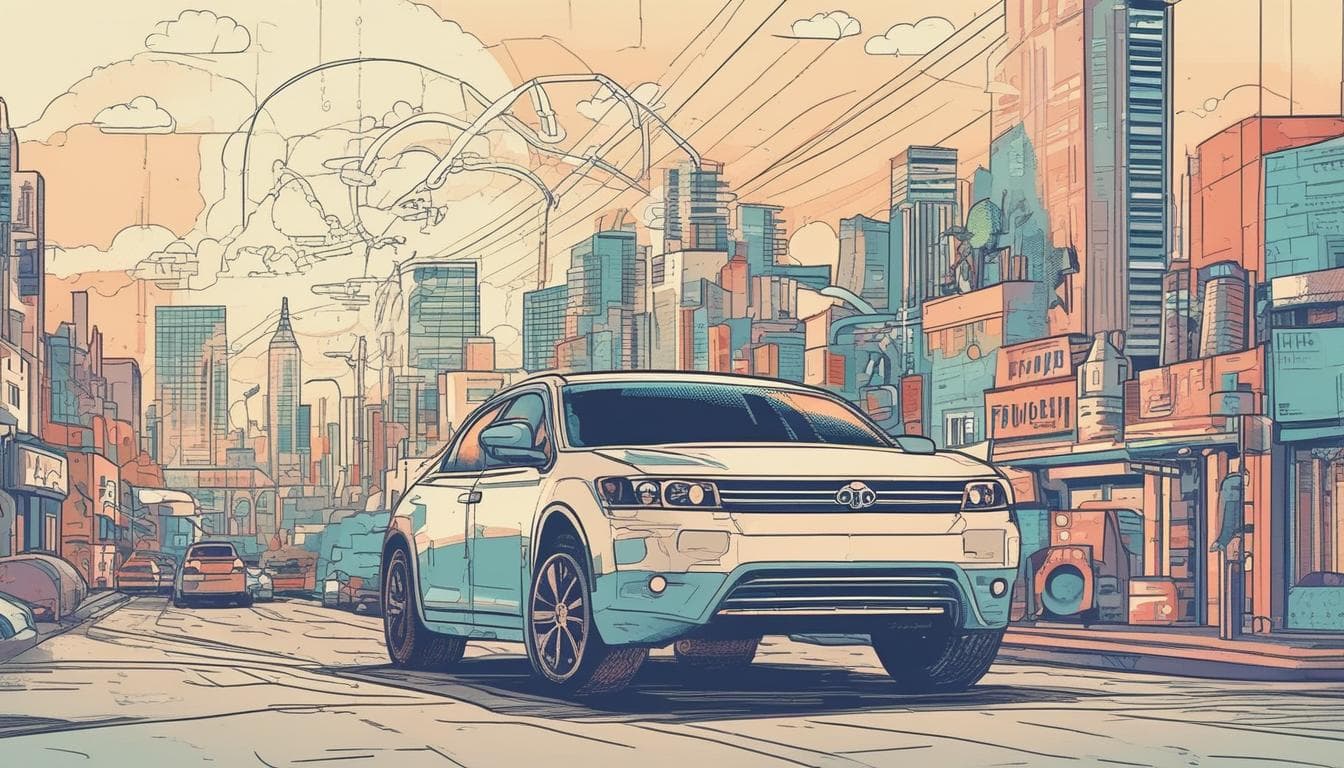
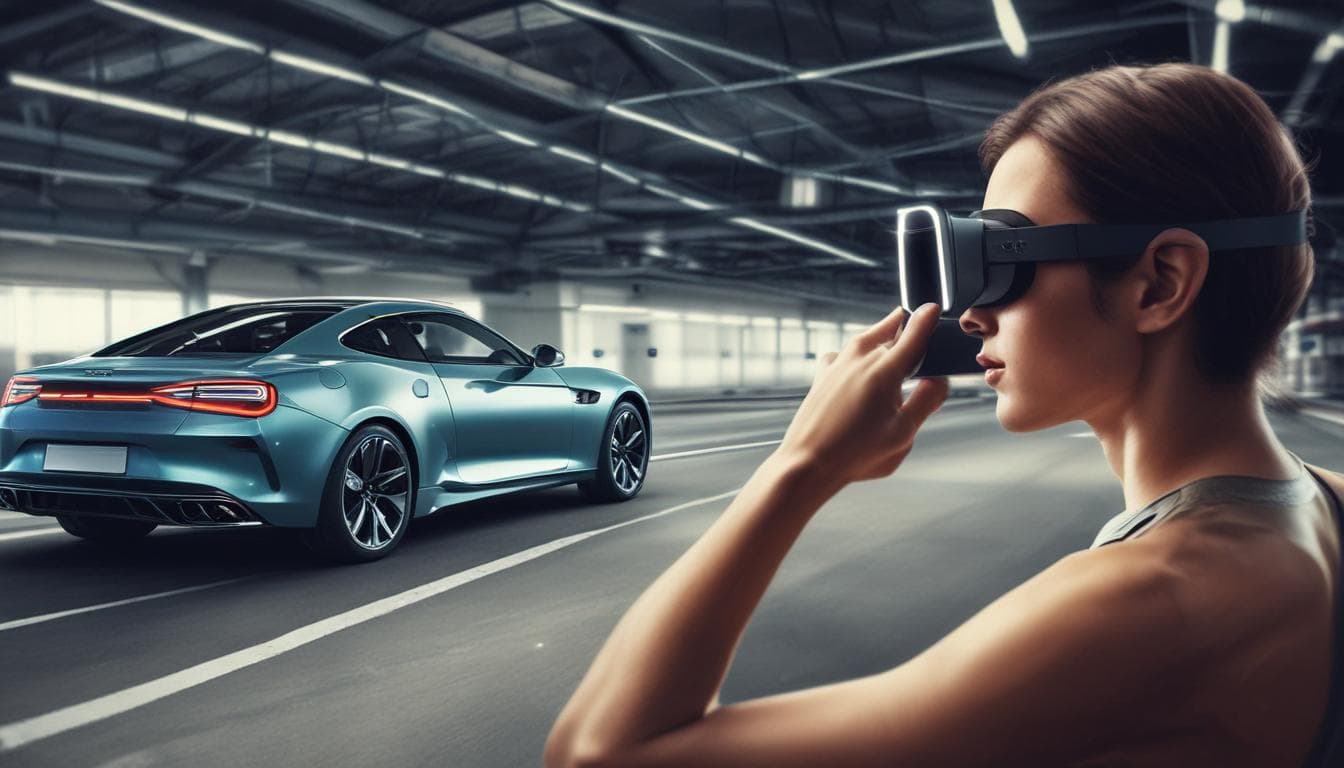
Imagine a future where your vehicle isn't just a mode of transport but an active participant in your well-being, continuously monitoring your biometric data – from heart rate to stress levels – and subtly adjusting its environment, lighting, and even driving style to optimize your mood or focus. Beyond mere personalization, what ethical lines might be crossed when cars become 'emotional orchestrators,' and how could this profound level of influence reshape our relationship with driving and our very sense of self?
1 yanıt•0 yorum
The concept of vehicles evolving into 'emotional orchestrators' that monitor biometric data and adapt their environment raises profound ethical questions. While advances in in-cabin sensing and AI-driven personalization—covered in articles on the vigilant vehicle and next-generation human-machine interfaces—promise to enhance comfort, they also pose risks related to privacy, consent, and psychological manipulation. For instance, continuous biometric monitoring requires stringent safeguards to prevent misuse or unauthorized data access.
Furthermore, the idea of cars subtly influencing mood or focus could blur the line between helpful assistance and emotional intrusion, potentially leading to dependency or emotional attachment that impacts autonomy. It's essential for industry stakeholders to establish clear ethical guidelines, transparency, and user control options.
This evolution could fundamentally reshape our relationship with driving—from a task to a deeply personal experience—and challenge our understanding of self-awareness and autonomy. As discussed in the future of personalized in-car experiences, ensuring these technologies serve users ethically will be vital in maintaining trust and safety in the age of smart, emotionally aware vehicles.
Bu Konu Hakkında Daha Fazla Keşfedin

Sohbete Katılın
- Geleceğin Otomobil Modifiyesi: Yazılım Kilitleri ve Dijital Garajlar
Yazılım kilitli özellikler ve abonelik modellerinin otomobil modifiye kültürüne etkilerini inceliyoruz. Geleneksel sanayi ruhu dijitalleşmeye mi yenilecek yoksa yeni bir dönem mi başlıyor?
- Otonom Araçlar ve Mobil İkametgah Dönemi: Geleceğin Yaşam Biçimi mi?
Tam otonom araçların yasal birer ev haline geldiği bir gelecekte vergi sistemleri, şehir planlaması ve toplumsal aidiyetin nasıl değişeceğini keşfedin. Dijital göçebelik ve mülkiyet kavramındaki devrimi tartışıyoruz.
- Biyo-Bütünleşik Araç Teknolojisi: Sağlık ve Otomotivin Kesişimi
Geleceğin biyo-bütünleşik araç teknolojilerini keşfedin. Sürücünün biyolojik verilerine göre optimize olan otomobillerin sağlık sektörüyle birleşmesi ve yarattığı etik tartışmalar üzerine derin bir inceleme.