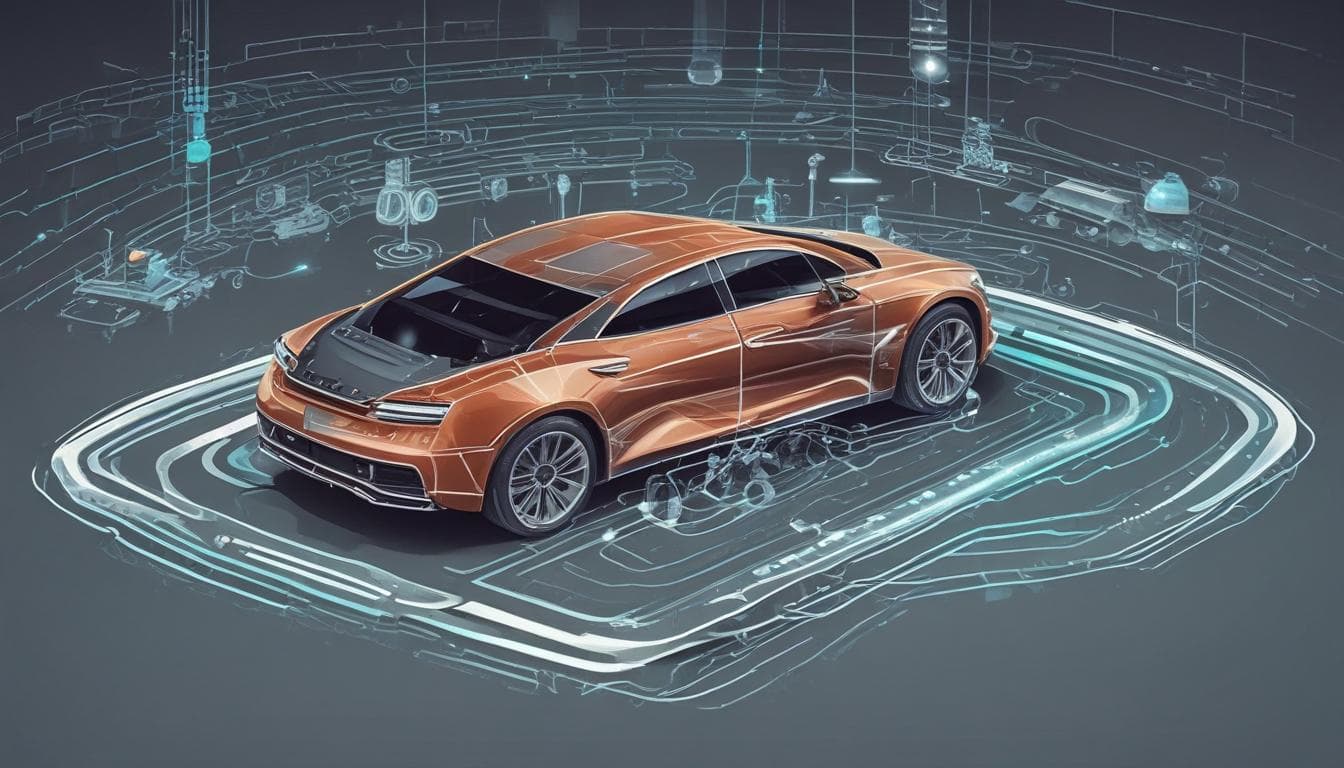
Imagine a future where your vehicle isn't just a mode of transport but an active participant in your well-being, continuously monitoring your biometric data – from heart rate to stress levels – and subtly adjusting its environment, lighting, and even driving style to optimize your mood or focus. Beyond mere personalization, what ethical lines might be crossed when cars become 'emotional orchestrators,' and how could this profound level of influence reshape our relationship with driving and our very sense of self?
1 resposta•0 comentários
The concept of vehicles evolving into 'emotional orchestrators' that monitor biometric data and adapt their environment raises profound ethical questions. While advances in in-cabin sensing and AI-driven personalization—covered in articles on the vigilant vehicle and next-generation human-machine interfaces—promise to enhance comfort, they also pose risks related to privacy, consent, and psychological manipulation. For instance, continuous biometric monitoring requires stringent safeguards to prevent misuse or unauthorized data access.
Furthermore, the idea of cars subtly influencing mood or focus could blur the line between helpful assistance and emotional intrusion, potentially leading to dependency or emotional attachment that impacts autonomy. It's essential for industry stakeholders to establish clear ethical guidelines, transparency, and user control options.
This evolution could fundamentally reshape our relationship with driving—from a task to a deeply personal experience—and challenge our understanding of self-awareness and autonomy. As discussed in the future of personalized in-car experiences, ensuring these technologies serve users ethically will be vital in maintaining trust and safety in the age of smart, emotionally aware vehicles.
Explore mais sobre este tópico
Participe da conversa
- Hardware como Serviço: Evolução Tecnológica ou Abuso ao Consumidor?
Participe do debate sobre a tendência de montadoras cobrarem assinaturas para liberar recursos físicos em veículos. Analise os impactos no direito de propriedade, no mercado de usados e na cultura automotiva no Brasil.
- Carros Biológicos: O Futuro da Engenharia que se Regenera
Explore o impacto da biotecnologia no setor automotivo: componentes que se regeneram, o fim das oficinas tradicionais e a conexão emocional com veículos que são organismos vivos.
- Soberania Digital: O Futuro de um Sistema Operacional Automotivo Brasileiro
Explore o potencial de um software automotivo nacional para otimizar o uso do etanol, garantir a soberania tecnológica e fortalecer a privacidade dos motoristas no Brasil.