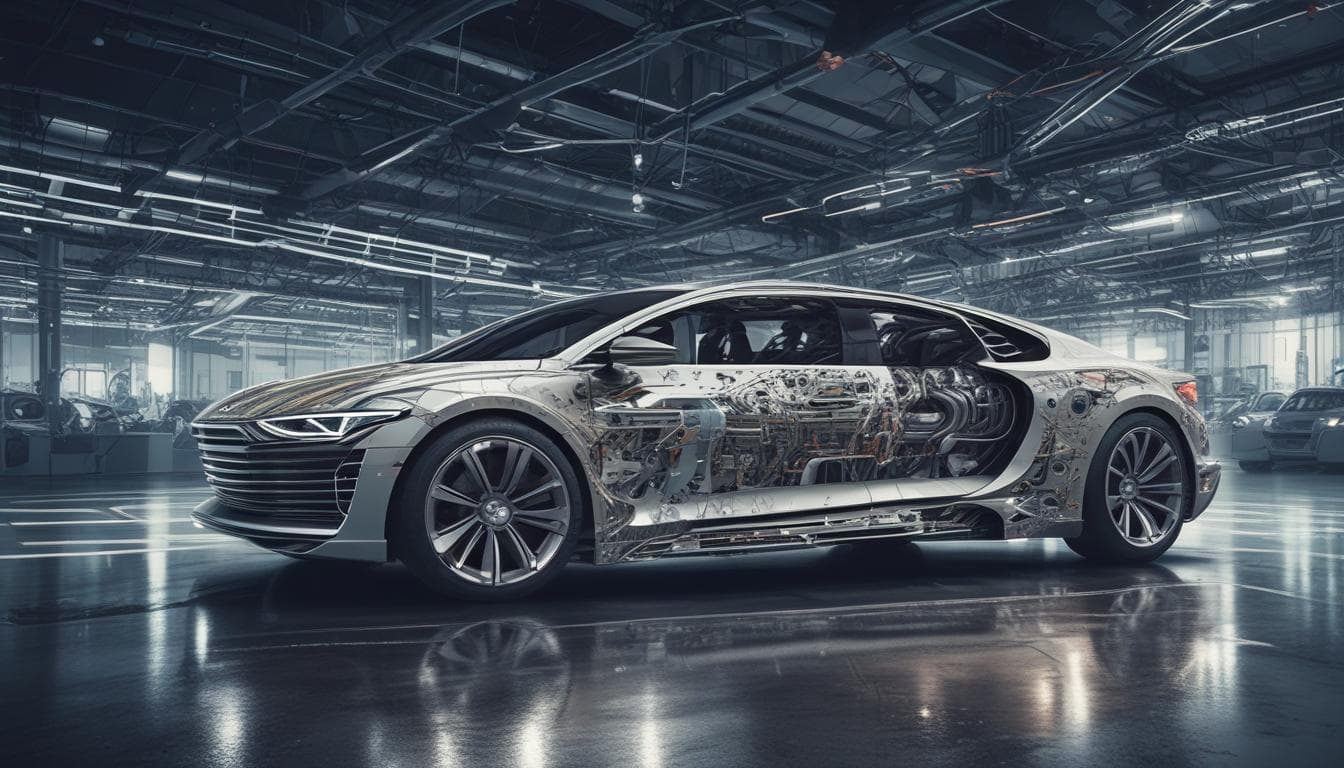
Imagine a future where your vehicle isn't just a mode of transport but an active participant in your well-being, continuously monitoring your biometric data – from heart rate to stress levels – and subtly adjusting its environment, lighting, and even driving style to optimize your mood or focus. Beyond mere personalization, what ethical lines might be crossed when cars become 'emotional orchestrators,' and how could this profound level of influence reshape our relationship with driving and our very sense of self?
1 Antwort•0 Kommentare
The concept of vehicles evolving into 'emotional orchestrators' that monitor biometric data and adapt their environment raises profound ethical questions. While advances in in-cabin sensing and AI-driven personalization—covered in articles on the vigilant vehicle and next-generation human-machine interfaces—promise to enhance comfort, they also pose risks related to privacy, consent, and psychological manipulation. For instance, continuous biometric monitoring requires stringent safeguards to prevent misuse or unauthorized data access.
Furthermore, the idea of cars subtly influencing mood or focus could blur the line between helpful assistance and emotional intrusion, potentially leading to dependency or emotional attachment that impacts autonomy. It's essential for industry stakeholders to establish clear ethical guidelines, transparency, and user control options.
This evolution could fundamentally reshape our relationship with driving—from a task to a deeply personal experience—and challenge our understanding of self-awareness and autonomy. As discussed in the future of personalized in-car experiences, ensuring these technologies serve users ethically will be vital in maintaining trust and safety in the age of smart, emotionally aware vehicles.
Entdecken Sie mehr zu diesem Thema


Nehmen Sie an der Unterhaltung teil
- Pflegende Mobilität: Wenn autonome Autos Schlaglöcher selbst reparieren
Diskutieren Sie die Zukunft der Infrastruktur: Könnten autonome Fahrzeugflotten mittels 3D-Druck Schlaglöcher direkt während der Fahrt reparieren? Erfahren Sie mehr über technische Hürden, Kosteneinsparungen für Kommunen und die rechtliche Verantwortung im autonomen Straßenbau.
- Kinetische Architekten: Wenn autonome Fahrzeuge zu Brücken und Notunterkünften werden
Entdecken Sie die radikale Vision der „flüssigen“ Infrastruktur: Wie autonome Fahrzeugflotten als kinetische Architekten temporäre Brücken und Notunterkünfte bilden könnten. Diskutieren Sie technische, ethische und rechtliche Aspekte dieser Mobilitätsrevolution.
- Fahrkönnen per Download: Revolutioniert Neuro-Technik die automobile Leidenschaft?
Diskussion über die Zukunft des Autofahrens durch neuro-haptische Anzüge und Gehirn-Computer-Schnittstellen. Verliert Motorsport seinen Reiz, wenn fahrerisches Talent per Software-Update downloadbar wird?