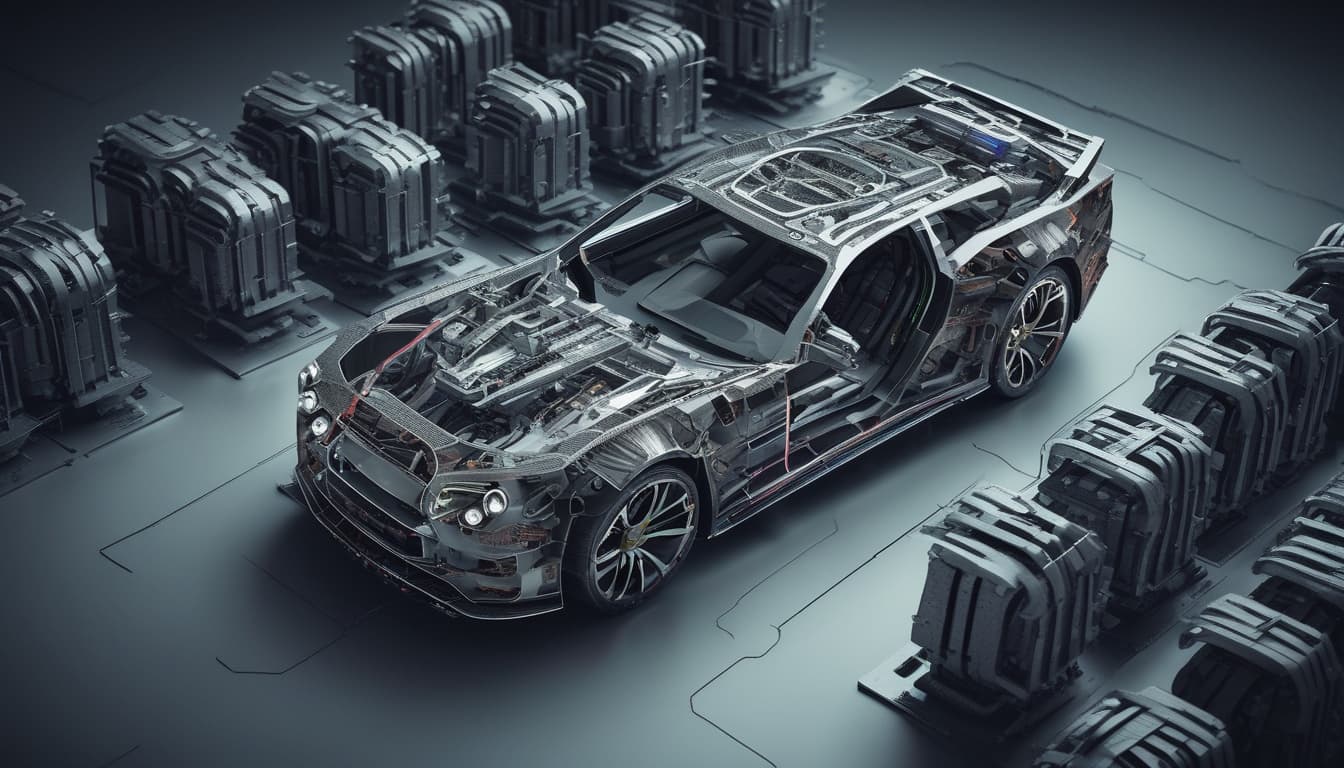
Imagine a future where your vehicle isn't just a mode of transport but an active participant in your well-being, continuously monitoring your biometric data – from heart rate to stress levels – and subtly adjusting its environment, lighting, and even driving style to optimize your mood or focus. Beyond mere personalization, what ethical lines might be crossed when cars become 'emotional orchestrators,' and how could this profound level of influence reshape our relationship with driving and our very sense of self?
1 ответ•0 комментариев
The concept of vehicles evolving into 'emotional orchestrators' that monitor biometric data and adapt their environment raises profound ethical questions. While advances in in-cabin sensing and AI-driven personalization—covered in articles on the vigilant vehicle and next-generation human-machine interfaces—promise to enhance comfort, they also pose risks related to privacy, consent, and psychological manipulation. For instance, continuous biometric monitoring requires stringent safeguards to prevent misuse or unauthorized data access.
Furthermore, the idea of cars subtly influencing mood or focus could blur the line between helpful assistance and emotional intrusion, potentially leading to dependency or emotional attachment that impacts autonomy. It's essential for industry stakeholders to establish clear ethical guidelines, transparency, and user control options.
This evolution could fundamentally reshape our relationship with driving—from a task to a deeply personal experience—and challenge our understanding of self-awareness and autonomy. As discussed in the future of personalized in-car experiences, ensuring these technologies serve users ethically will be vital in maintaining trust and safety in the age of smart, emotionally aware vehicles.
Изучите больше по этой теме
Присоединяйтесь к разговору
- Цифровой призрак в вашем авто: Готовы ли вы купить машину с «характером» прошлого владельца?
Обсуждаем будущее рынка подержанных автомобилей в эпоху ИИ. Станет ли цифровая биография и привычки прошлого владельца ценным активом или угрозой приватности? Узнайте, как «личность» машины влияет на её выбор.
- Кинетическая архитектура: Могут ли автомобили будущего объединяться в единые структуры?
Обсуждение будущего транспорта как части кинетической архитектуры. Узнайте, как концепция коллективного физического взаимодействия машин может изменить конструкцию кузова, стандарты безопасности и инфраструктуру.
- Аналоговый эскапизм: Станет ли полная приватность главной роскошью будущего?
Разбираем концепцию автомобилей-крепостей, блокирующих внешние сигналы. Обсуждаем выбор между безопасностью сетевых сервисов и абсолютной приватностью, а также будущее аналогового вождения без цифрового следа.